Journal / Freezing and Reheating Leftovers Without Losing Flavor or Safety
Kitchen TipsFreezing and Reheating Leftovers Without Losing Flavor or Safety
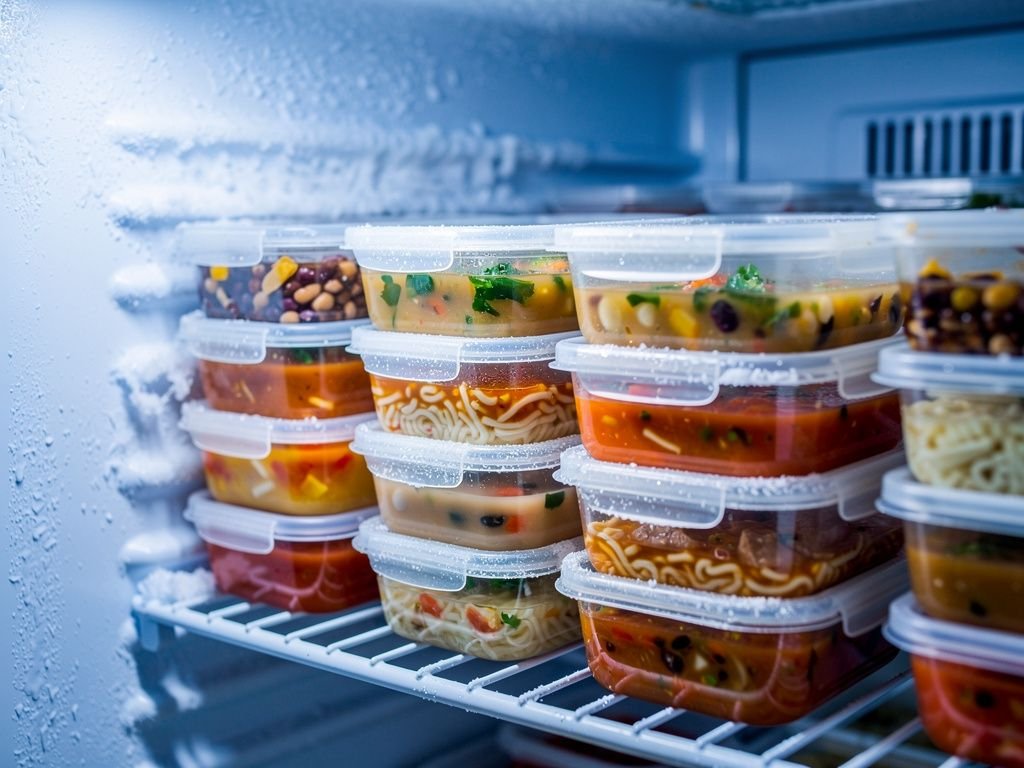
Freezing leftovers is one of the easiest ways to stretch a grocery budget and cut down on food waste, but there is a right and wrong way to do it. Freeze food properly and it tastes nearly as good weeks later; freeze it carelessly and you end up with freezer burn, mushy vegetables, or worse, a food safety risk.
Cool It Down Fast
Bacteria multiply quickest between 40 and 140 degrees Fahrenheit, so the goal is to move hot food through that range as fast as possible. Divide large batches of soup or stew into shallow containers rather than one deep pot -- this dramatically speeds up cooling. Never leave food out at room temperature for more than two hours before refrigerating or freezing.
Package for the Freezer, Not Just Storage
- Press out as much air as possible from freezer bags to limit freezer burn
- Label everything with the contents and the date
- Freeze in meal-sized portions so you only thaw what you need
- Use within 2 to 3 months for best flavor, even though most foods stay safe longer
Reheating the Right Way
Thaw in the refrigerator overnight rather than on the counter, which keeps the food in a safe temperature zone throughout. When reheating, bring food to an internal temperature of 165 F, stirring midway through if using a microwave to eliminate cold spots.
Some foods freeze better than others. Soups, stews, sauces, and cooked grains hold up well. High-water-content vegetables like lettuce or cucumber, and dairy-based sauces that can separate, generally do not. Knowing which foods to freeze and which to simply eat fresh will save you disappointment down the line.